
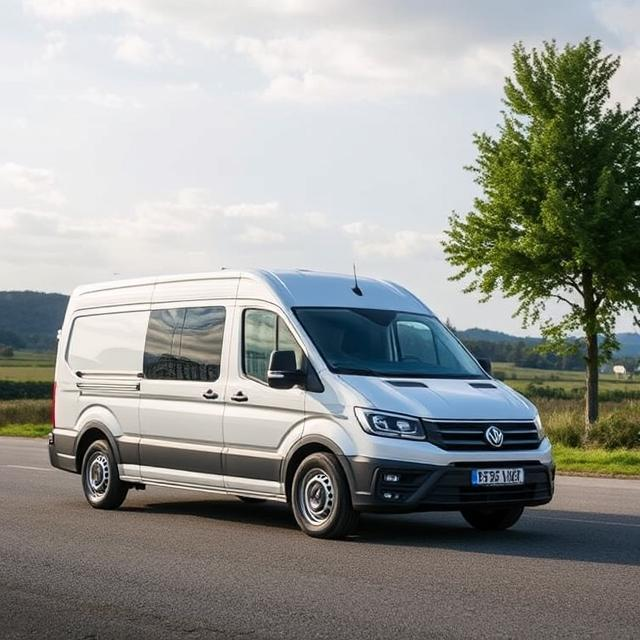
Thinking About Switching from Van Ownership to Leasing?
If you currently own your business van, moving to a lease agreement can feel like a big change. Questions about what to do with your existing vehicle, how much mileage to choose and whether leasing is the right financial decision are all perfectly normal. The good news is that switching from ownership to leasing is often a straightforward process, and it can offer greater flexibility, predictable monthly costs and access to newer, more efficient vehicles.
This guide explains how to make the transition, what to consider before replacing your current van and how to choose a lease agreement that suits the way your business operates.
Why Businesses Move from Owning to Leasing
Many businesses begin by purchasing their vans outright, but ownership isn't always the most cost-effective option as a company grows. Older vehicles often become more expensive to maintain, unexpected repairs can disrupt cash flow and replacing a van usually requires a significant capital investment.
Leasing offers an alternative approach. Instead of tying money up in depreciating vehicles, businesses pay fixed monthly rentals for the use of a brand-new van over an agreed term. This can make budgeting easier while giving drivers access to the latest safety features, improved fuel efficiency and modern technology. At the end of the agreement, simply return the vehicle and choose your next van without the hassle of selling it privately.
Step 1: Assess Your Business Requirements
Before choosing a lease agreement, take a step back and think about how your business actually uses its vehicles. The cheapest monthly payment isn't always the best value if the van isn't suitable for the work you do.
Questions to consider include:
How many miles does the van cover each year?
What payload or load space do you need?
Will the van regularly tow trailers or equipment?
Does your work mainly involve motorway driving or short urban journeys?
Would an electric or hybrid van suit your business?
Are you likely to need additional vehicles as your business grows?
What lead time is suitable or do you need a van quickly?
Taking the time to understand your requirements before choosing a lease can help you avoid unnecessary costs and ensure your new van supports your business both now and in the future.
Step 2: Decide What to Do With Your Existing Van
If you're moving from ownership to leasing, your current van doesn't necessarily have to disappear overnight. Many businesses choose to sell their existing vehicle and use the proceeds to improve cash flow, fund the initial rental or invest elsewhere in the business.
Others prefer to keep an older van as a spare vehicle for busy periods or seasonal work, particularly if it still provides reliable service. The right approach will depend on the condition and value of the vehicle, as well as your business requirements and future plans. If you're unsure, it's worth discussing your options with both your accountant and your leasing adviser.
Step 3: Choose the Right Lease Agreement
There isn't a one-size-fits-all leasing solution. A sole trader replacing a single van may have very different priorities to a growing company operating multiple vehicles.
Factors such as contract length, annual mileage, maintenance options and the type of finance agreement can all affect the overall cost and suitability of your lease. Choosing the right arrangement from the outset can help avoid unnecessary charges later and ensure your agreement reflects how your business actually operates.
If you're unsure which type of lease is most appropriate, our team can explain the available options and recommend a solution based on your business rather than simply the lowest monthly payment.
Step 4: Consider the Total Running Costs
When comparing leasing with ownership, it's important to look beyond the monthly rental alone. Fuel, servicing, tyres, insurance, repairs and vehicle downtime all contribute to the overall cost of running a commercial vehicle.
Many businesses find that leasing provides greater certainty because the vehicle is new, covered by the manufacturer's warranty and less likely to require major repairs. Choosing an optional maintenance package can simplify budgeting even further by combining many routine servicing and maintenance costs into a single monthly payment.
Looking at the total cost of operating a van, rather than simply the purchase price, often provides a much clearer picture of the long-term value of leasing.
Should You Add a Maintenance Package?
For businesses that rely on their vans every day, keeping vehicles on the road is just as important as keeping costs under control. An optional lease maintenance package can help by covering scheduled servicing and many routine maintenance items for a fixed monthly cost.
This can be particularly beneficial for businesses covering higher annual mileages, operating multiple vehicles or simply wanting to avoid unexpected maintenance bills. Some maintenance packages can also be enhanced with roadside assistance, helping minimise disruption should the unexpected happen.
If you're unsure whether a maintenance package represents good value for your business, our team can explain the available options and help you decide whether it's the right fit for your expected mileage and vehicle usage.
What If Your Business Changes?
One of the advantages of leasing is that it allows your vehicle choices to evolve alongside your business. As workloads increase, you may need larger vans, additional vehicles or even a mixed fleet combining cars and commercial vehicles.
Changing legislation, the growth of electric vans and improvements in vehicle technology can also influence your requirements over time. Leasing allows businesses to review their vehicle needs at the end of each agreement and choose models that better reflect how they operate today, rather than continuing to run ageing vehicles that may no longer be suitable.
Preparing for the End of Your Lease
Although the end of your lease may be a few years away, it's worth understanding the return process from the outset. Returning the van in good condition, servicing it according to the manufacturer's schedule and staying within your agreed mileage can all help avoid unnecessary end-of-contract charges.
Looking after your leased van throughout the agreement is generally much easier than trying to correct problems just before collection. Regular maintenance, prompt repairs and good housekeeping will help ensure a smooth return when it's time to choose your next vehicle.
Talk Through Your Business Requirements
Every business uses its vans differently. A plumber, courier, electrician and national delivery company all have very different requirements.
Our experienced leasing specialists can help you compare lease options, discuss mileage, maintenance packages and funding choices, and recommend the right solution for your business. Whether you're replacing one van or planning a larger fleet transition, we're here to help.