
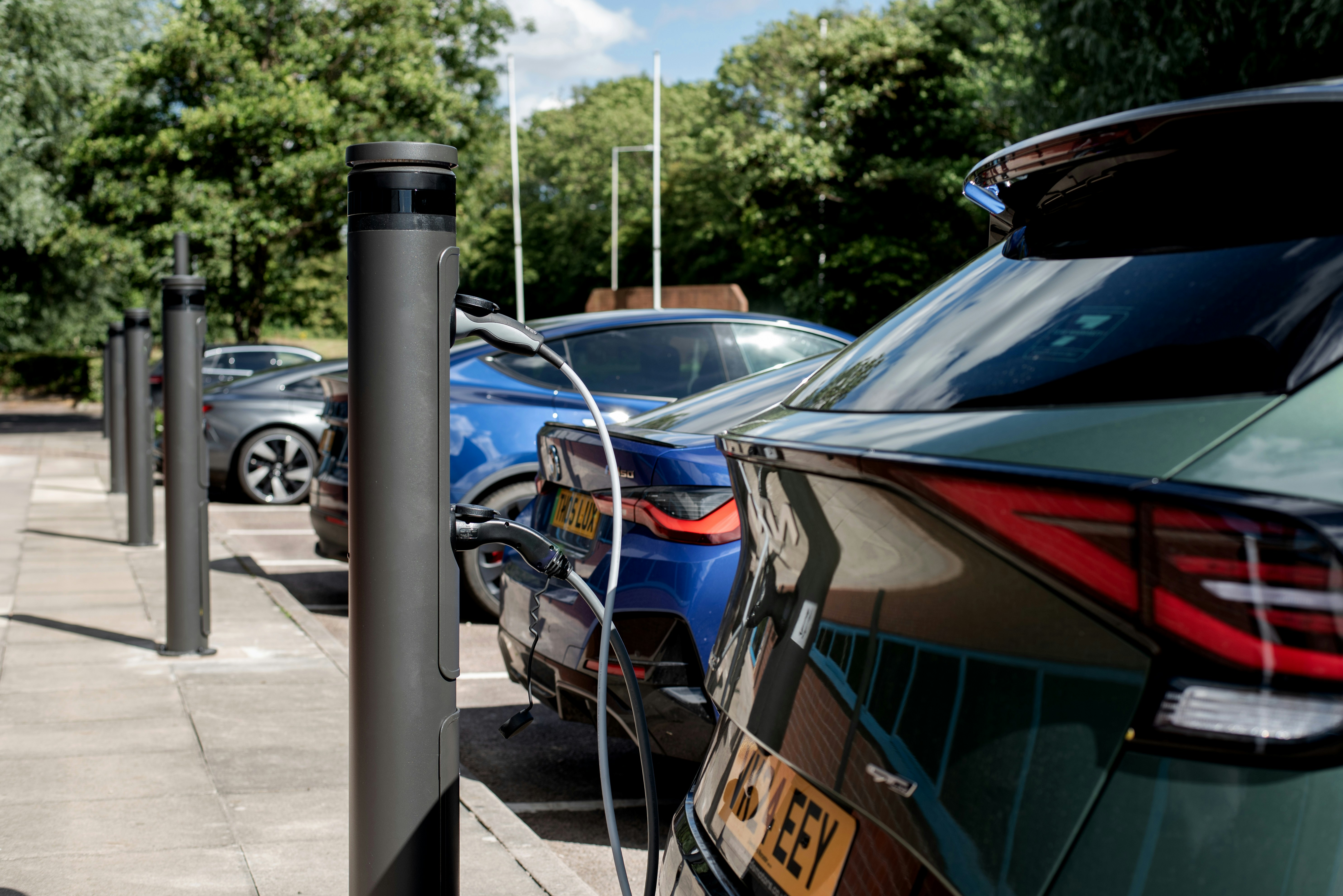
Electric Vehicle Suitability: Is Your Business Ready to Go Electric?
Switching to electric vans isn’t just about reducing emissions — it can significantly lower running costs and future-proof your fleet. But not every business is suited to EVs yet.
This guide helps you assess:
Whether electric vans will work for your operations
What changes you may need to make
How to plan a smooth transition
Step 1: Your EV suitability checklist
Start with these core questions:
Daily mileage
Under 100 miles = Strong EV fit
100–200 miles = Depends on charging access
200+ miles = May need careful planning or hybrid mix
Most modern electric vans comfortably handle urban and regional work.
Driving patterns
EVs work best when routes are predictable, vehicles return to base overnight and there’s minimal emergency long-distance use.
Payload and usage
Electric vans can handle most use cases, but consider that heavy loads reduce range, and towing impacts efficiency.
Downtime tolerance
Charging requires planning. Overnight depot charging is ideal; rapid charging is useful, but not always practical.
Step 2: Understanding real-world range
Manufacturers quote WLTP range, but real-world usage varies. Factors that reduce EV range:
Cold weather
Motorway speeds
Heavy loads
Aggressive driving
A realistic planning rule is: expect 70–85% of quoted range in everyday use.
Step 3: A simple fleet suitability formula
You can estimate EV viability with this quick check:
Daily Mileage ÷ Realistic Range = Usage Ratio
For example:
Van range (real-world): 180 miles
Daily usage: 90 miles
90 ÷ 180 = 0.5 (50%)
What it means:
Under 60% = ideal
60–80% = workable with planning
80%+ = higher risk without charging strategy
Step 4: Charging infrastructure . . . what you’ll need
Depot-based businesses (best case)
Install wall chargers
Charge overnight at lower tariffs
Minimal disruption
Multi-site businesses
Consider charging at:
Offices
Depots
Employee homes
On-the-road businesses
These will rely more on public rapid charging and may need route planning tools
Charger types explained
Slow (3–7kW) = overnight charging
Fast (7–22kW) = workplace top-ups
Rapid (50kW+) = quick top-ups on the road
Most businesses combine depot charging with occasional rapid use.
Step 5: Cost savings — where EVs win
Electric vans often reduce fuel costs (as electricity is typically cheaper than diesel per mile) and maintenance (fewer moving parts).
Fewer breakdowns and lower servicing costs means less downtime for your business. With leasing, newer vehicles also means fewer unexpected issues.
Step 6: Government incentives and tax benefits
The UK still supports EV adoption through:
Plug-in Van Grant (where applicable)
Reduces upfront vehicle cost
Benefit in Kind (BiK)
Lower tax rates for company EVs
Capital allowances
Businesses may offset EV costs against profits
Clean air zone savings
Avoids charges in:
London Ultra Low Emission Zone
Other UK low-emission zones
As grants and legislation change frequently, it's always worth checking your eligibility with your accountant.
Step 7: When EVs might NOT suit your business (yet)
Electric vans may be challenging if you:
Regularly exceed 200+ miles per day
Tow heavy loads constantly
Operate in remote areas with limited charging
In these cases, a mixed fleet (EV + diesel) is often the best step.
Step 8: Planning a phased transition
Most businesses don’t switch everything at once.
A typical approach:
1. Start with 1–2 vehicles
2. Monitor usage and savings
3. Expand gradually
This reduces risk and builds confidence.
How we help businesses switch to electric
Every fleet is different — there’s no one-size-fits-all answer.
We can help you:
Assess suitability based on your usage
Plan charging and costs
Build a phased transition
Speak to our team to find out if electric vehicles are right for your business, or browse our latest EV offers here.