
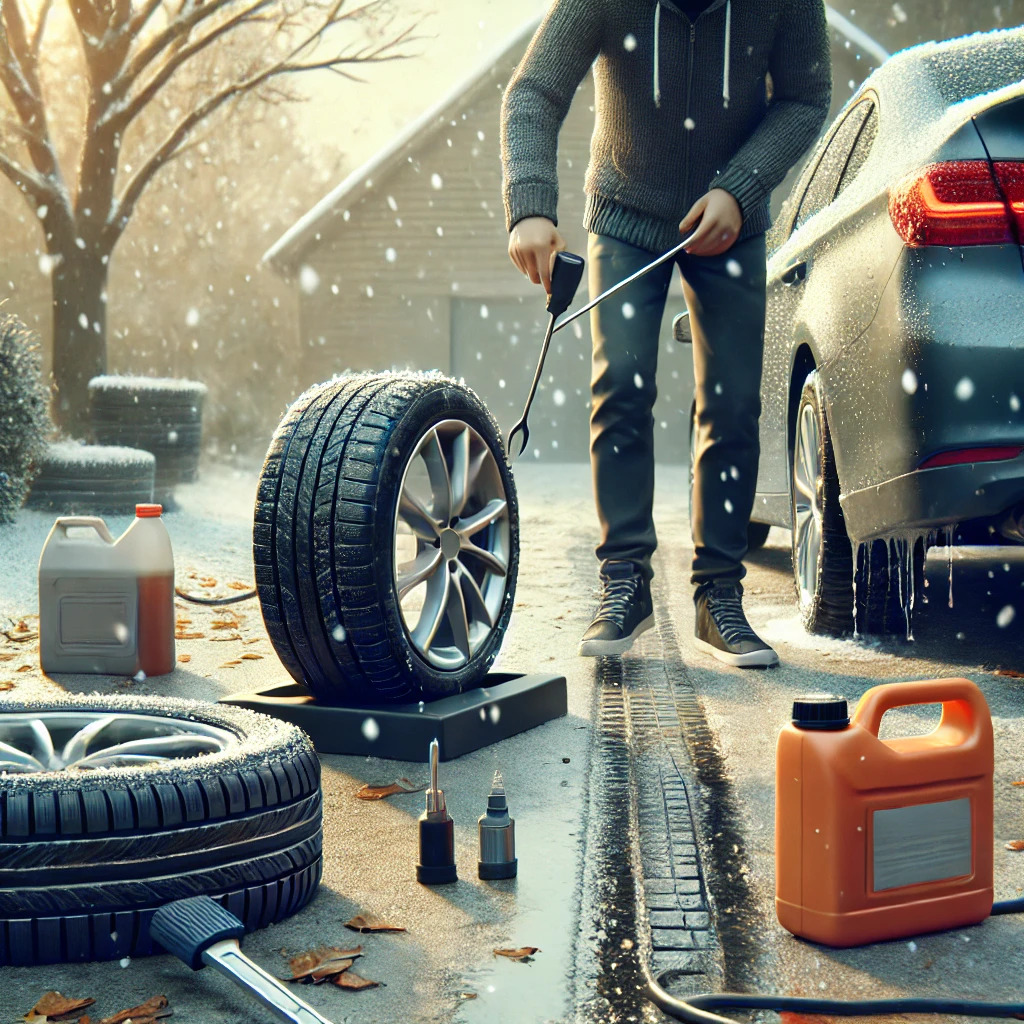
Seasonal Car Safety Checks:
Your Spring, Summer, Autumn and Winter Checklist
Keeping your car in good condition throughout the year isn't just about reliability—it also helps improve safety, reduce the likelihood of breakdowns and ensure your vehicle is ready for changing weather conditions. While modern cars require less maintenance than ever before, carrying out a few simple seasonal checks can help identify small problems before they become expensive repairs.
Whether you drive a petrol, diesel, hybrid or electric vehicle, this guide explains the key safety checks to carry out during each season and when it makes sense to let a professional take over.
Spring Safety Checks
After winter, your car has probably experienced cold temperatures, wet roads and plenty of grit and salt.
Take a few minutes to inspect:
Check tyre pressures and tread depth
Look for any damage caused by potholes
Top up windscreen washer fluid
Replace worn wiper blades
Check all exterior lights are working
Wash road salt from the bodywork and underside
Listen for unusual suspension noises
Spring is also a good time to book a service if your annual maintenance is due.
Summer Safety Checks
Long journeys and higher temperatures place different demands on your vehicle. Before travelling:
Check coolant levels
Inspect engine oil level
Test your air conditioning
Check tyre pressures before motorway trips
Make sure your spare wheel or tyre repair kit is usable
Carry drinking water for longer journeys
Clean the windscreen inside and out to reduce glare
High temperatures can also affect tyre pressures, so it's worth checking them before setting off on holiday.
Autumn Safety Checks
Autumn brings wet roads, falling leaves and darker evenings. Prepare your car by:
Testing all lights
Checking your battery condition
Clearing leaves from air vents and drainage channels
Inspecting brake performance
Replacing worn wiper blades
Topping up screenwash with winter-grade fluid
Checking heater and demister performance
Good visibility becomes increasingly important as daylight hours reduce.
Winter Safety Checks
Winter is often the toughest season for both drivers and vehicles. Essential winter checks include:
Battery condition
Antifreeze strength
Screenwash suitable for freezing temperatures
Tyre tread and pressures
Heater and demister operation
Ice scraper and de-icer
Emergency blanket
Torch
Phone charger
If you're travelling in severe weather, allow extra time and consider carrying food and water for longer journeys.
Monthly Checks You Shouldn't Skip
Some checks are worth doing regardless of the season.
Tyres (pressure, tread depth and damage)
Fluids (engine oil, coolant, brake fluid and screenwash)
Lights
Check:
Headlights, brake lights, indicators, number plate lights and windscreen.
Look for:
Chips, cracks, worn blades, misting or mould inside light assemblies. Small issues are usually much cheaper to fix than leaving them to become larger ones.
Seasonal Checks for Different Vehicle Types
Diesel cars
If your journeys are mainly short, occasional longer drives can help keep diesel particulate filters operating correctly. See our guide on diesel cars, adBlue and DPF.
Electric vehicles
Seasonal checks remain important. Pay particular attention to:
Tyres
Brake condition
Windscreen washer
Charging cables
Cabin heating efficiency
Cold weather can reduce battery range, so allow extra capacity for winter journeys.
Hybrid vehicles
Hybrid systems still require the same tyre, brake and lighting checks as conventional vehicles alongside routine servicing. See our guide on driving efficiently with EVs.
Vans and Commercial Vehicles
Businesses should also inspect:
Payload security
Tow equipment
Roof racks
Load area
Reversing cameras
Additional lighting
Downtime costs money, making preventative maintenance even more valuable.
Should You Carry Out Safety Checks Yourself?
Simple visual inspections are something most drivers can carry out. However, if you notice:
Warning lights
Fluid leaks
Unusual noises
Vibration
Braking problems
Arrange a professional inspection as soon as possible.
Regular Servicing Makes Seasonal Checks Easier
Seasonal inspections are useful, but they don't replace manufacturer servicing. Keeping your vehicle serviced helps maintain reliability, identifies wear before failure occurs and supports your warranty requirements. Keeping your vehicle in good condition reduces the likelihood of unexpected repairs and surprise charges for repairs at the end of your lease.
If you'd rather spread maintenance costs across your lease, ask about adding one of our lease maintenance packages, which can include servicing, repairs, tyres and MOTs for predictable monthly budgeting.