
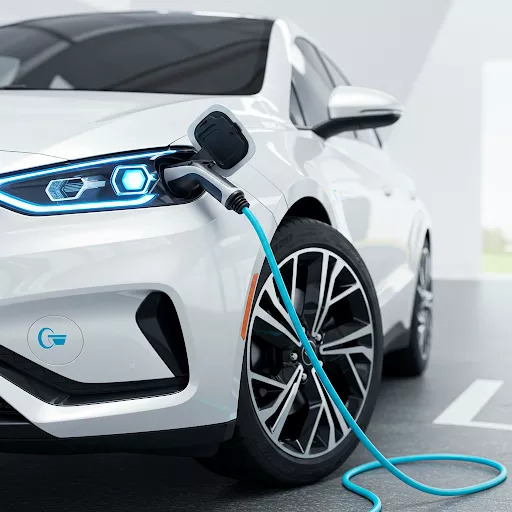
The Complete Guide to Electric Cars
Electric cars are becoming an increasingly popular choice for drivers across the UK. Advances in battery technology, improved charging infrastructure and a growing choice of models mean switching to an electric vehicle (EV) is now a realistic option for more people than ever before.
Whether you're considering your first electric car or simply want to understand how they work, this guide explains everything you need to know. From charging and running costs to the benefits of leasing an EV, we'll help you decide whether an electric car is the right choice for your lifestyle.
What is an Electric Car?
An electric car, also known as a Battery Electric Vehicle - BEV (or EV for short), is powered entirely by electricity rather than a petrol or diesel engine. Instead of filling up at a fuel station, the vehicle's battery is recharged using an electric vehicle charging point at home, at work or at one of the UK's growing network of public charging stations.
Electric motors deliver power instantly, providing smooth acceleration while producing zero exhaust pipe emissions. Because they have far fewer moving parts than traditional combustion engine vehicles, electric cars are also simpler mechanically and can require less routine maintenance.
With manufacturers investing heavily in electrification, today's EV market includes everything from compact city cars and family SUVs to executive saloons and performance vehicles.
How Do Electric Cars Work?
Although the technology behind electric vehicles is sophisticated, the basic principle is surprisingly simple.
Instead of using an internal combustion engine, an electric car stores energy within a rechargeable battery pack. That stored electricity powers one or more electric motors, which drive the wheels.
When you slow down or brake, many electric vehicles use regenerative braking to recover energy that would otherwise be lost. This energy is fed back into the battery, helping to improve efficiency and extend driving range. Once the battery becomes low, you simply recharge it using a compatible charging point before setting off again.
Why Are More Drivers Choosing Electric Cars?
Electric vehicles have moved from being a niche choice to becoming part of everyday life. For many drivers, they offer practical as well as environmental benefits.
Lower Running Costs
Electricity is often cheaper than petrol or diesel, particularly when charging at home using off-peak electricity tariffs. Electric cars also tend to have fewer routine servicing requirements because they have fewer mechanical components.
Zero Exhaust Emissions
Battery electric vehicles produce no exhaust emissions while driving, helping improve local air quality and reducing your vehicle's direct environmental impact.
A Quieter, More Comfortable Drive
Electric motors are almost silent, making journeys more relaxing. Instant torque also provides smooth, responsive acceleration, particularly in town driving.
Modern Technology
Most electric cars are among the most technologically advanced vehicles manufacturers produce, often featuring the latest infotainment systems, driver assistance technologies and connected services.
Things to Consider Before Switching
An electric car can be an excellent choice, but it's worth considering how you use your vehicle before making the switch.
Charging
Many drivers choose to install a home charger for maximum convenience. If you don't have off-street parking, it's worth checking what public charging facilities are available nearby.
Typical Journey Length
Modern electric cars are capable of covering substantial distances on a full charge, but if you regularly travel very long motorway journeys, you'll need to consider charging stops as part of your planning.
Charging Habits
Owning an EV involves a slightly different routine. Rather than visiting a petrol station every week, many owners simply charge overnight at home and start each day with a full battery.
Electric Cars vs Plug-in Hybrid Cars
If you're not quite ready to go fully electric, a plug-in hybrid (PHEV) may be worth considering.
Electric Car | Plug-in Hybrid |
Fully electric drivetrain | Petrol engine plus battery |
No exhaust pipe emissions while driving | Can drive short distances using electricity |
Requires charging | Can be fueled with petrol when required |
Best suited for drivers ready to go fully electric | Good for drivers wanting flexibility |
Both technologies have their advantages depending on your driving habits and access to charging.
View our latest electric car leasing deals or our latest hybrid leasing options.
How Far Can Electric Cars Travel?
Driving range is one of the first questions many people ask when considering an EV.
The answer depends on several factors, including battery size, driving style, weather conditions and the type of roads you use. Urban driving often delivers excellent efficiency thanks to regenerative braking, while sustained motorway speeds generally use more energy.
The good news is that driving ranges continue to improve as battery technology develops, making electric cars suitable for an increasing number of everyday journeys.
Charging an Electric Car
Charging has become significantly easier over recent years as the UK's charging infrastructure continues to expand.
Many drivers charge overnight at home, while rapid chargers located at motorway services, supermarkets, retail parks and public car parks make longer journeys increasingly straightforward. Depending on the charger used, charging times can vary considerably, from overnight using a home charger to much shorter stops at rapid charging locations.
If you're considering home charging, our dedicated guide explains everything you'll need to know.
Are Electric Cars Reliable?
Electric vehicles have fewer moving mechanical components than petrol or diesel cars, reducing the number of parts that require regular maintenance.
Manufacturers also provide comprehensive warranties for both the vehicle and its battery, giving additional reassurance for drivers making the switch. As with any vehicle, regular servicing remains important, but electric cars generally eliminate many of the maintenance items associated with traditional engines, such as oil changes and exhaust systems.
New Chinese Electric Cars
Chinese manufacturers are playing an increasingly important role in the UK electric vehicle market. China has invested significantly in developing EV technology and produces some highly-advanced models which are now seeing distribution in the UK.
Brands such as BYD, MG, Omoda and Jaecoo have helped expand consumer choice, offering modern technology, competitive pricing and impressive electric driving ranges. As more manufacturers enter the market, drivers now have a wider selection of electric vehicles than ever before. LeaseCar have a handy guide to the new Chinese EV brands so you can make an informed decision.
Is Leasing an Electric Car a Good Idea?
Leasing allows you to enjoy many of the benefits of electric driving without worrying about selling the vehicle in the future.
With fixed monthly payments and flexible contract lengths, leasing makes it easier to budget while giving you the opportunity to upgrade to newer models as battery technology continues to evolve.
For many drivers, leasing is an ideal way to experience electric motoring while benefiting from the latest advances in range, efficiency and onboard technology every few years.
Aren't electric cars more expensive?
First generation EVs and hybrids had a higher cost to recoup some of the R&D that went into creating them. However, with green vehicles increasingly becoming the norm, and manufacturers scaling up production, they're no longer a novelty item and the prices are coming down.
This is also an area where leasing can help: you only pay for the period of the lease so you don't have to absorb the cost of purchasing a new vehicle which may have a higher cost. You may be surprised to learn there are entry-level EVs in our cheapest lease deals, and we have prepared a guide on the best Electric Cars you can lease for £300 a month or less.
Explore Electric Car Leasing with LeaseCar
Whether you're ready to make the switch or simply exploring your options, LeaseCar offers a wide range of electric and plug-in hybrid lease deals to suit every lifestyle and budget. Browse our latest offers or speak to our experienced team on 0344 745 1818 for help choosing the right electric vehicle for your needs.
EV FAQs
Are electric cars expensive to run?
Are electric cars expensive to run?
Many drivers find running costs lower than petrol or diesel vehicles, particularly when charging at home.
Can I charge an electric car at home?
Can I charge an electric car at home?
Yes. Many owners install a dedicated home charging point, although public charging networks are also widely available.
How long do electric car batteries last?
How long do electric car batteries last?
Manufacturers design modern EV batteries to last for many years and provide warranties for additional peace of mind.
Do electric cars need servicing?
Do electric cars need servicing?
Yes, although they generally require less routine maintenance than combustion engine vehicles.
Are electric cars suitable for long journeys?
Are electric cars suitable for long journeys?
Modern EVs can comfortably handle longer trips, particularly when combined with the UK's growing rapid charging network.