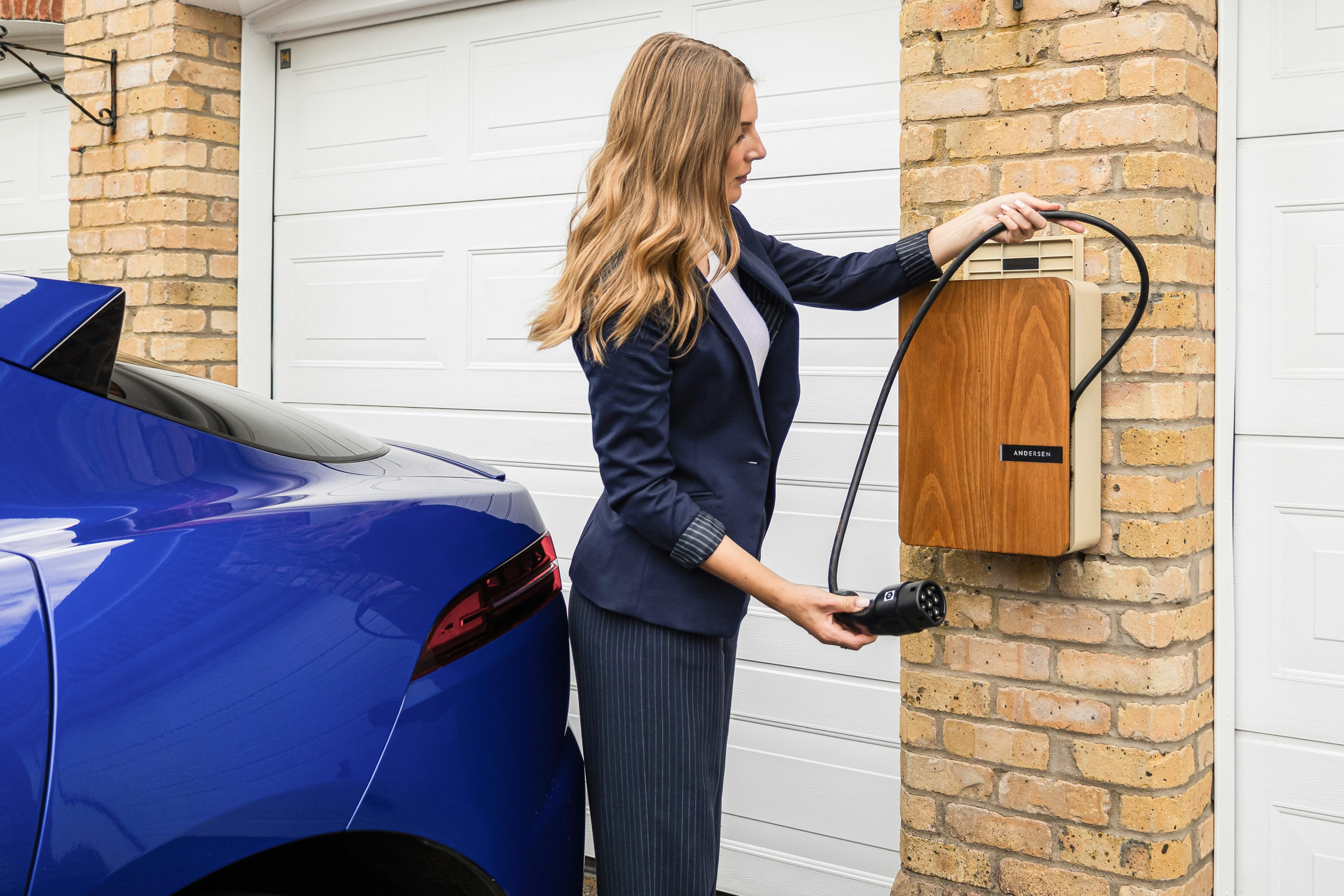
How Much Does an Electric Car Cost to Run?
One of the biggest potential advantages of switching to an electric car is the cost of everyday driving, particularly if you can charge at home using a competitive electricity tariff. But exactly how much does an EV cost per mile, and how does that compare with filling a petrol or diesel car?
The answer depends on your car's efficiency and, crucially, how much you pay for electricity. Until our interactive EV cost calculator is available, you can use the simple calculations below to estimate your charging cost per mile and compare it with a petrol or diesel vehicle.
How Do You Calculate the Cost of Driving an EV?
You only need two figures:
Your electricity price in pence per kWh
and
Your EV's efficiency in miles per kWh
This determines:
Electricity price (p/kWh) ÷ efficiency (miles/kWh) = cost per mile
So, for example - If electricity costs 28p/kWh and your EV achieves 4 miles/kWh:
Drive 10,000 miles at that cost, and you'd spend approximately £700 on charging.
These figures are examples rather than current tariff quotes. Use the price you're actually paying for electricity to get a meaningful result.
Why Your Electricity Tariff Makes Such a Big Difference
Two people driving exactly the same electric car for exactly the same mileage can have dramatically different running costs depending on where and when they charge.
Off-Peak Home Charging
Some EV-specific electricity tariffs offer substantially cheaper electricity during overnight periods. If most of your charging can be scheduled during these hours, your cost per mile can be particularly low.
Standard Home Charging
Charging at your normal domestic electricity rate can still provide competitive running costs, although you'll pay more than someone able to make regular use of a discounted EV tariff.
Public Charging
Public charger prices vary significantly according to network, location and charging speed. Rapid and ultra-rapid charging can cost considerably more per kWh than home charging.
This is why blanket claims that "EVs cost X pence per mile" aren't particularly helpful.
Recent Zapmap guidance, for example, puts a typical home-charged EV at around 7p per mile, while stressing that costs vary according to vehicle and charging location.
EV Charging Cost Examples
Assuming a reasonably efficient EV achieving 4 miles/kWh
Electricity Cost | Approx.cost per mile | Approx. cost per 10K miles |
7p/kWh | 1.75p | £175 |
15p/kWh | 3.75p | £375 |
25p/kWh | 6.25p | £625 |
50p/kWh | 12.5p | £1,250 |
80p/kWh | 20p | £2,000 |
The above is illustrative only - charging costs and vehicle efficiency vary
How Much Does a Full EV Charge Cost?
The calculation is:
Battery capacity (kWh) × electricity price (£/kWh) = theoretical cost of a full charge
For example, charging a 60kWh battery at 25p/kWh:
60 × £0.25 = £15
Note that this is a simplified calculation. Drivers rarely charge from completely empty to completely full, and real-world charging losses mean the electricity drawn from the supply can exceed the energy ultimately stored in the battery.
EV vs Petrol and Diesel: How Do You Compare Costs?
For petrol/diesel, the calculation is more awkward because UK drivers tend to think in MPG, while fuel is sold in litres.
To make a fair comparison, calculate the amount you currently spend on petrol or diesel over a typical month or year and divide that by the number of miles driven.
For example:
£1,500 annual fuel spend ÷ 10,000 miles = 15p per mile
Then compare that directly with the EV calculation.
Recent UK analysis from Carbon Brief estimated that BEV drivers were saving more than £1,100 per year in fuel costs compared with running a petrol car, although individual savings depend heavily on mileage, vehicle efficiency, fuel prices and charging arrangements.
Does Public Charging Make an EV More Expensive Than Petrol?
If you depend heavily on expensive rapid public charging, the cost advantage of an EV can narrow substantially and, depending on the vehicles and prices being compared, electricity can potentially cost more per mile than petrol or diesel.
Someone with a driveway and an inexpensive overnight tariff therefore has a very different financial proposition from someone who relies exclusively on rapid public chargers.
That's worth knowing before choosing an EV. See our guide on home charging installation for more detail on costs.
What Affects an Electric Car's Cost Per Mile?
Vehicle efficiency
An EV achieving 4.5 miles/kWh costs less to drive than one achieving 2.5 miles/kWh on the same electricity tariff.
Temperature
Cold weather can reduce efficiency, particularly when energy is required to heat the battery and cabin.
Driving speed
Sustained high-speed motorway driving generally consumes more electricity.
Driving style
Hard acceleration and unnecessary speed increase consumption. See how to drive and EV efficiently.
Vehicle weight and load
Passengers, luggage and other additional weight can affect efficiency.
Tyres
Incorrect pressures increase rolling resistance. See what pressure these should be.
Can You Calculate the Carbon Cost per Mile of an EV?
Broadly:
Electricity used per mile × carbon intensity of electricity = operational carbon emissions per mile
The UK Government publishes annual greenhouse-gas conversion factors specifically so organisations can calculate emissions from activities including electricity and transport. The latest 2026 factors were published in June.
An EV:
Produces no exhaust pipe CO₂
Requires electricity to charge
Has indirect emissions associated with electricity generation
Becomes lower-carbon to operate as electricity generation gets cleaner
Does an EV Really Save Carbon Once Manufacturing Is Included?
Electric vehicles also have emissions associated with their manufacture, particularly battery production, so comparing tailpipe emissions alone doesn't tell the whole story.
However, lifecycle assessments generally find that EVs still produce significantly lower overall emissions than comparable petrol vehicles when manufacturing and driving are both included. Recent UK analysis estimated that an EV driven using Britain's 2024 electricity mix had lifecycle CO₂ emissions around 70% lower than a petrol car, with the additional carbon associated with battery manufacture offset after around 12,000 miles in that analysis. See our guide on carbon emissions and vehicles for more information.
Calculate Your Potential Annual EV Saving
Use our checklist to calculate your savings.
Your current car:
Annual mileage | __________ |
Annual petrol/diesel spend | £_________ |
Current fuel cost per mile | _________p |
Your potential EV:
Electricity tariff | ________p/kWh |
EV efficiency | ________ miles/kWh |
EV cost per mile | ________p |
Estimated annual charging cost | £________ |
Potential annual saving | £________ |